

BLOG
Most Popular Posts

How to Choose Between Skilled Nursing & Therapy Services at Home
As healthcare increasingly shifts from hospitals to homes, families are often faced with an important decision: should their loved one receive skilled nursing care or therapy services at home? While both options support recovery and independence, they serve different medical and functional needs. Understanding the distinction is essential for making a choice that promotes safety, comfort, and long-term well-being.

How to Allergy‑Proof Your Home With Help From Care Professionals
Allergies inside the home are more than a seasonal inconvenience. For many people, indoor allergens such as dust mites, pet dander, mold spores, and pollen that enters from outside can trigger persistent symptoms, including sneezing, congestion, itchy eyes, skin irritation, and even asthma flare-ups. While regular cleaning helps, creating a truly allergy-conscious home environment often requires a more structured approach—one that care professionals are well equipped to support.

Home Health Care Tips for Managing Seasonal Medication Changes
Seasonal transitions often bring more than just weather changes. For many individuals receiving care at home, shifts in temperature, daylight, allergens, and activity levels can influence symptoms and overall health. As a result, medication routines sometimes require adjustments. Managing these changes properly is essential to maintain stability, prevent adverse reactions, and support long-term wellness. A structured and attentive approach ensures that seasonal medication updates remain safe and effective rather than disruptive.

Occupational Therapy at Home: Regaining Daily Independence
Occupational therapy at home has become an increasingly important approach for individuals who want to regain independence in their daily routines without leaving a familiar environment. For people recovering from illness, injury, or managing long-term conditions, the home is where daily challenges are most visible—and where meaningful progress can be made. By focusing on real-life activities in a personal setting, home-based occupational therapy supports both physical recovery and emotional confidence.
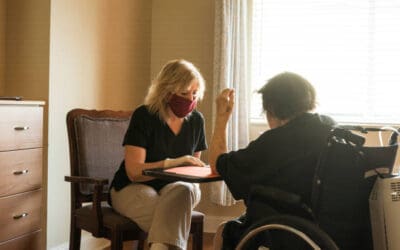
Speech Therapy at Home: Swallowing, Speech & Cognition
Speech therapy is often associated with clinics, schools, or rehabilitation centers, yet a growing body of practice shows that effective therapy can also happen at home. Home-based speech therapy focuses on three interconnected areas: swallowing, speech and language, and cognition. When guided by a licensed speech-language pathologist and reinforced through daily routines, at-home therapy can be both practical and impactful for children, adults, and older individuals.

How Therapy Helps Prevent Falls at Home
Falls are one of the most common and serious health risks for older adults and individuals with mobility challenges. A single fall can lead to injuries, loss of independence, and long-term fear that limits daily activity. Fortunately, therapy plays a critical role in fall prevention by addressing the physical, environmental, and behavioral factors that contribute to accidents at home. Through targeted interventions, therapy helps individuals move with confidence, maintain balance, and create safer living environments.

Caring for Patients with Dementia Through Home Health
Caring for someone with dementia is a deeply human responsibility that extends far beyond medical treatment. Dementia affects memory, reasoning, communication, and behavior, gradually changing how a person experiences the world. Home health care plays a critical role in preserving dignity, safety, and emotional well-being while allowing patients to remain in familiar surroundings. When delivered thoughtfully, home-based dementia care supports not only patients but also the families who walk alongside them.

How to Prepare for the First Day of Home Healthcare Services
The first day of home healthcare services sets the tone for the entire care experience. Families often feel a mix of relief and uncertainty—relief that support is finally arriving, and uncertainty about how the process works.

Fall-Proofing Your Home with Help from Home Healthcare
Falls remain one of the most significant risks for older adults living at home, yet they are also among the most preventable. A well-designed fall-proofing plan strengthens safety, preserves independence, and reduces the likelihood of hospital visits.

How Home Healthcare Offers Reassurance to Long-Distance Families
More families today are spread across cities, regions, and even countries. Career opportunities, education, and economic mobility often require adult children to live far from aging parents. While distance brings possibilities, it also creates emotional strain when loved ones begin to need regular support. Many long-distance families struggle with the fear of not being present during emergencies, missing early signs of health decline, or being unable to assist with daily tasks.